Meta Unveils Camera-Free Ray-Ban Meta Audio and New Meta VR Glasses
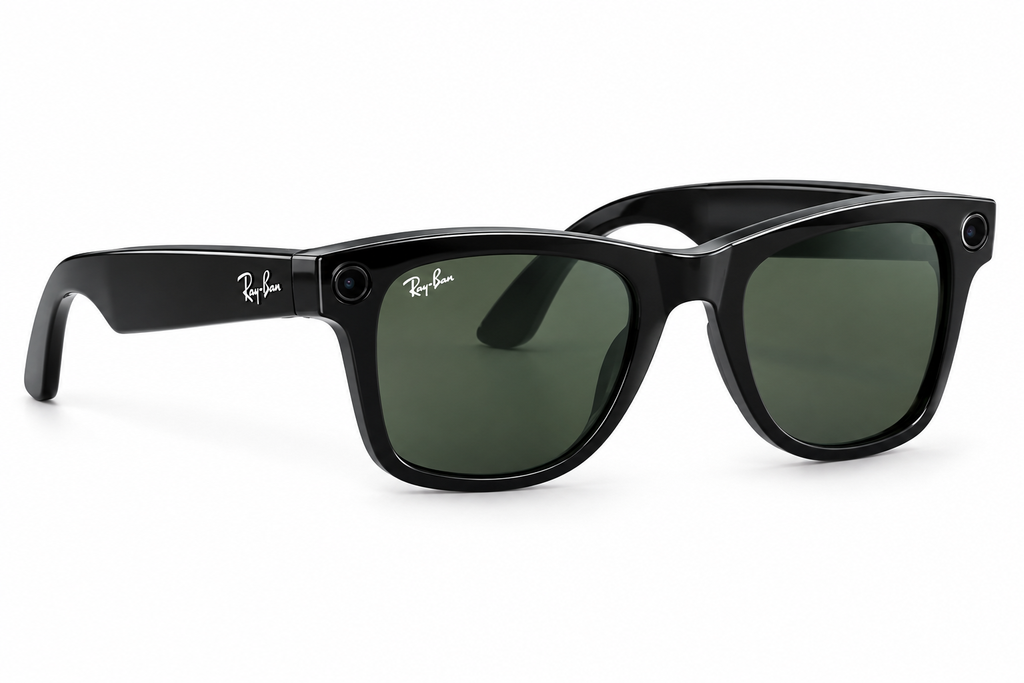
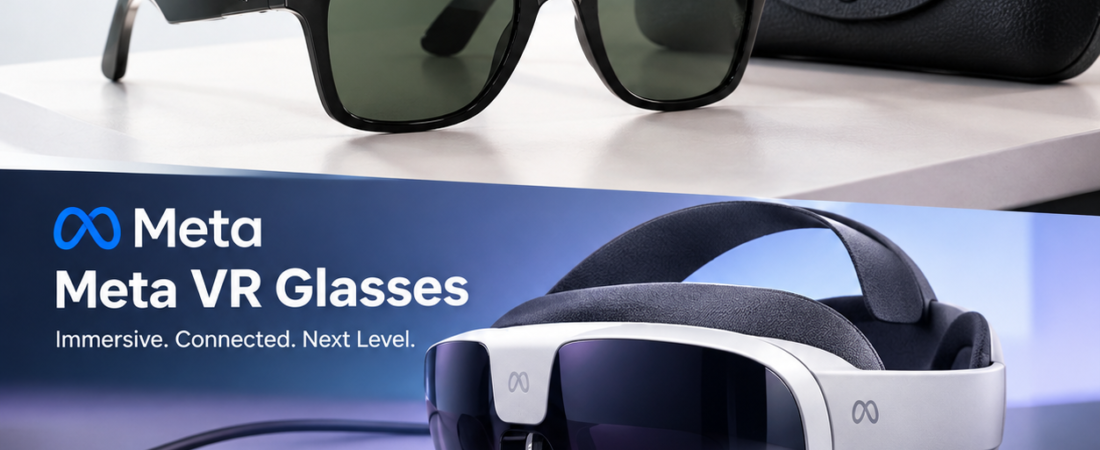
Meta has introduced two major wearable products at Meta Connect 2026: the new Ray-Ban Meta Audio smart glasses and the more advanced Meta VR Glasses.
Although both products are glasses, they are designed for very different purposes.
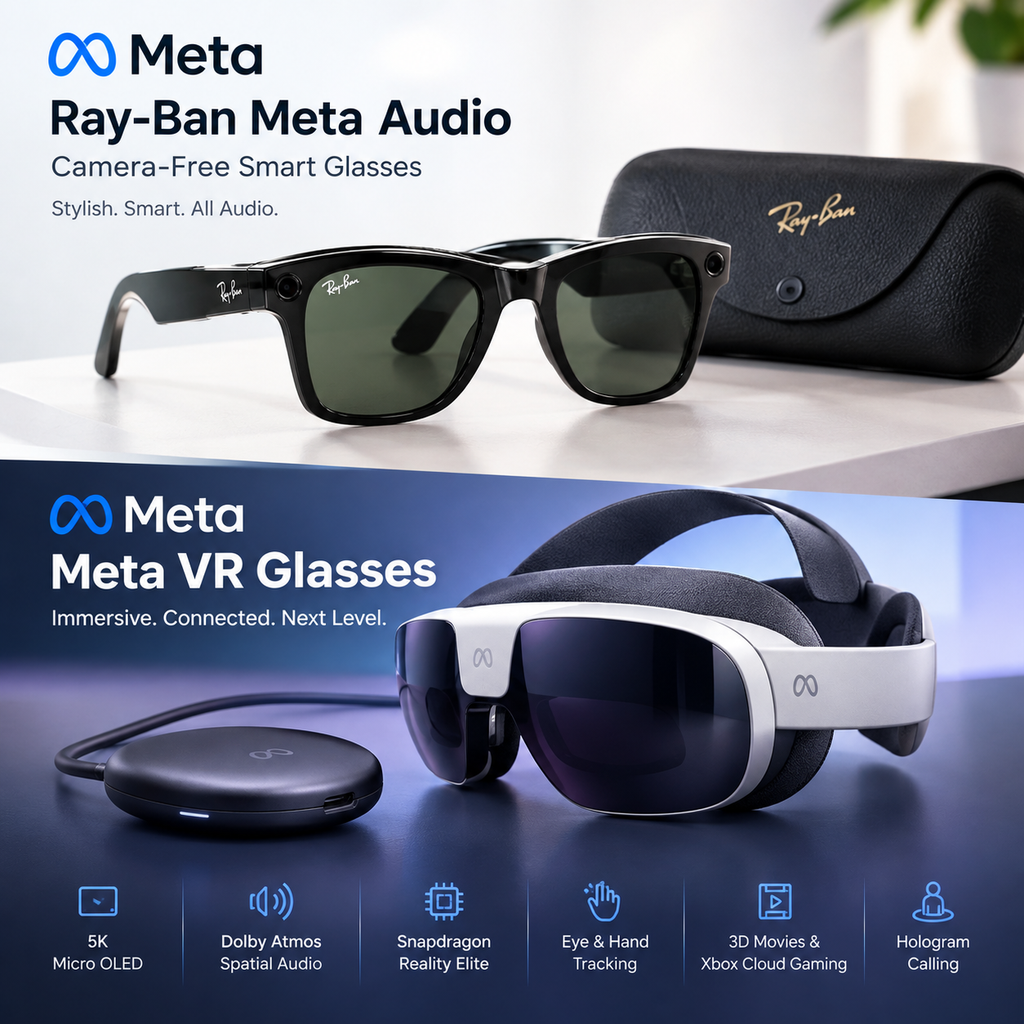
The Ray-Ban Meta Audio is designed for everyday use, audio and AI assistance, while the Meta VR Glasses are built for immersive entertainment, gaming, 3D content and virtual experiences.
What Are Ray-Ban Meta Audio Glasses?
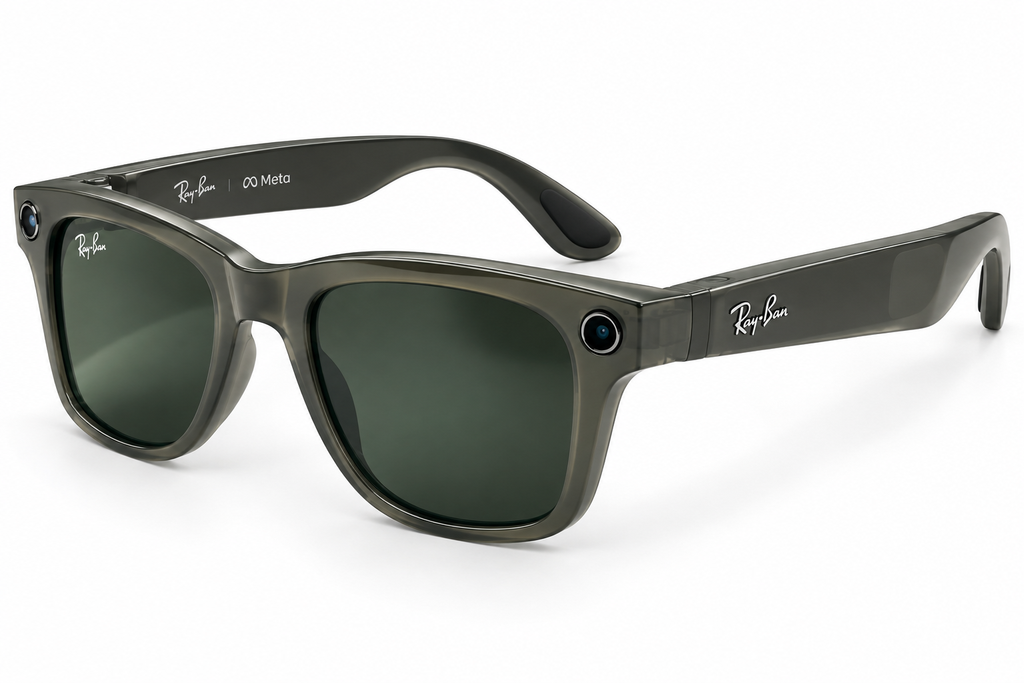
The Ray-Ban Meta Audio is Meta’s first smart-glasses design that does not include cameras.
That is an important difference from Meta’s previous camera-equipped smart glasses.
Instead of using cameras, the new glasses focus on audio-based features. Users can wear them like normal glasses while listening to audio and accessing smart features without needing to constantly use a smartphone.
The camera-free design may also appeal to people who are uncomfortable with cameras being built into wearable devices.
Why Are Camera-Free Smart Glasses Interesting?
Privacy is one of the biggest concerns surrounding smart glasses.
Camera-equipped glasses can potentially capture images or video while being worn, which can make people around the user uncomfortable in some situations.
The Ray-Ban Meta Audio takes a different approach.
Because the glasses are designed without cameras, their main purpose is not recording the world around the wearer. Instead, Meta is focusing on audio and hands-free interaction.
This could make camera-free smart glasses useful in places where recording would be inappropriate or unwanted.
Ray-Ban Meta Audio Battery Life
Despite weighing only around 43 grams, the Ray-Ban Meta Audio is designed to provide long battery life.
Meta says the glasses can operate for up to 12 hours on a single charge.
The charging case can extend total usage to approximately 48 hours.
For someone using the glasses throughout the day, this means the device does not necessarily need to be charged after every short session.
What Are Meta VR Glasses?
The Meta VR Glasses are a completely different type of device.
They are designed for immersive virtual and mixed-reality experiences, including movies, gaming and interactive applications.
Rather than putting every component inside the glasses, Meta has divided the hardware between the glasses and a separate computing puck.
How Does the Two-Part System Work?
The glasses themselves contain the display and sensors.
The separate computing puck handles important hardware such as processing, storage and the battery.
An optical cable connects the glasses to the puck.
This approach allows Meta to reduce the amount of hardware physically attached to the user’s head.
As a result, Meta says the glasses themselves weigh approximately 100 grams.
The separate puck effectively acts as the main computer powering the experience.
5K Micro OLED Displays
One of the biggest features of the Meta VR Glasses is their display technology.
The glasses use micro OLED displays with 5K resolution and a pixel density of 37 pixels per degree.
In simple terms, higher resolution and pixel density can make virtual images appear sharper and more detailed.
This is particularly important for VR because users are looking at displays positioned very close to their eyes.
Meta has also added Dolby Vision, which is designed to improve supported content through enhanced brightness, contrast and color reproduction.
Dolby Atmos Spatial Audio
Visual quality is only one part of an immersive VR experience.
The Meta VR Glasses also include built-in speakers supporting Dolby Atmos spatial audio.
Spatial audio is designed to make sound appear to come from different directions.
For example, in a game, audio could appear to come from behind or beside the user instead of sounding like it is coming from a simple left and right speaker.
This can make movies and games feel more immersive.
Meta AI Is Built Into the VR Platform
Artificial intelligence is another major part of Meta’s new VR system.
Meta has integrated its Meta AI agent into the operating system.
Instead of interacting with the device only through traditional controls, users can use AI-powered features while wearing the glasses.
The system’s sensors can also detect eye movements and hand gestures.
That means users can potentially interact with virtual content by looking at something or using gestures rather than reaching for a physical controller.
Snapdragon Reality Elite Chip
The Meta VR Glasses are powered by Qualcomm’s newly announced Snapdragon Reality Elite platform.
This chipset is designed specifically for advanced XR and immersive computing applications.
The computing puck handles much of the processing work, while the glasses provide the visual and sensor interface.
Meta says the system can provide up to three hours of usage with the connected puck.
The puck also supports 45W fast charging.
Watching 3D Movies
Meta is positioning its VR glasses as an entertainment platform as well as a computing device.
The Meta VR Glasses are IMAX Enhanced certified and support 3D movies.
This means users can potentially experience large-screen-style entertainment without needing a physical television or cinema screen.
For people who travel frequently or want a private movie-viewing experience, this type of technology could provide an interesting alternative to traditional displays.
Xbox Cloud Gaming Support
Gaming is another major part of the Meta VR Glasses experience.
The device supports Xbox Cloud Gaming, allowing users to access supported games through Microsoft’s cloud gaming platform.
Because cloud gaming moves much of the processing to remote servers, users don’t necessarily need a traditional high-end gaming PC to access supported titles.
The glasses can therefore serve as both an immersive display and a gaming device.

What Is Hologram Calling?
One of the more futuristic features announced for the Meta VR Glasses is Hologram Calling.
Meta says this feature can create a photorealistic representation of a person during a video call.
Instead of simply seeing a traditional flat video image, users could see a more immersive representation of the person they are communicating with.
The system is designed to capture real-time facial expressions and reactions.
If the technology works as demonstrated, it could make remote communication feel more natural and interactive.
Meta VR Glasses Price and Release Date
The Meta VR Glasses are scheduled to become available in spring 2027.
The starting price in the United States is $1,299.
That makes the VR Glasses a premium product aimed at consumers interested in advanced immersive computing, entertainment and gaming.
Ray-Ban Meta Audio vs Meta VR Glasses
Although both products come from Meta, their purposes are very different.
| Feature | Ray-Ban Meta Audio | Meta VR Glasses |
|---|---|---|
| Main purpose | Everyday smart audio | Immersive VR/XR |
| Cameras | No cameras | Advanced sensors |
| Weight | 43g | 100g |
| Display | No immersive display | 5K micro OLED |
| Audio | Smart audio | Dolby Atmos spatial audio |
| AI | Smart features | Meta AI integrated |
| Battery | Up to 12 hours | Up to 3 hours |
| Charging | Charging case | 45W fast-charging puck |
| Gaming | Not the main focus | Xbox Cloud Gaming |
| 3D movies | No | Yes |
| Release | New product | Spring 2027 |
| Starting price | — | $1,299 |
Why Meta Is Launching Two Different Glasses
Meta appears to be targeting two completely different groups of users with these products.
The Ray-Ban Meta Audio is aimed at people who want smart features without wearing a large VR device. Its lightweight design and long battery life make it more suitable for everyday situations.
The Meta VR Glasses, on the other hand, are designed for users who want advanced immersive experiences.
They combine high-resolution displays, spatial audio, AI, gesture controls, gaming and 3D entertainment.
In other words, one product is focused on everyday wearable computing, while the other is focused on immersive computing.
How AI Is Changing Smart Glasses
AI is becoming one of the most important technologies in wearable devices.
Instead of simply displaying information, future smart glasses can potentially understand commands, provide answers, interact with applications and respond to what the user is doing.
Meta’s approach combines AI with sensors, audio and visual interfaces.
This could eventually allow people to interact with technology without constantly pulling out a smartphone.
The Bigger Future of Wearable Technology
The launch of the Ray-Ban Meta Audio and Meta VR Glasses shows how quickly wearable technology is evolving.
Traditional smartphones still remain the main way many people interact with digital services, but companies such as Meta are experimenting with devices that can move some of those interactions directly onto the user’s face.
Camera-free audio glasses could become useful for everyday AI assistance, communication and entertainment.
Meanwhile, advanced VR glasses could become personal screens for movies, games, virtual meetings and immersive applications.